Materials: EPS, XPS and Styrodur
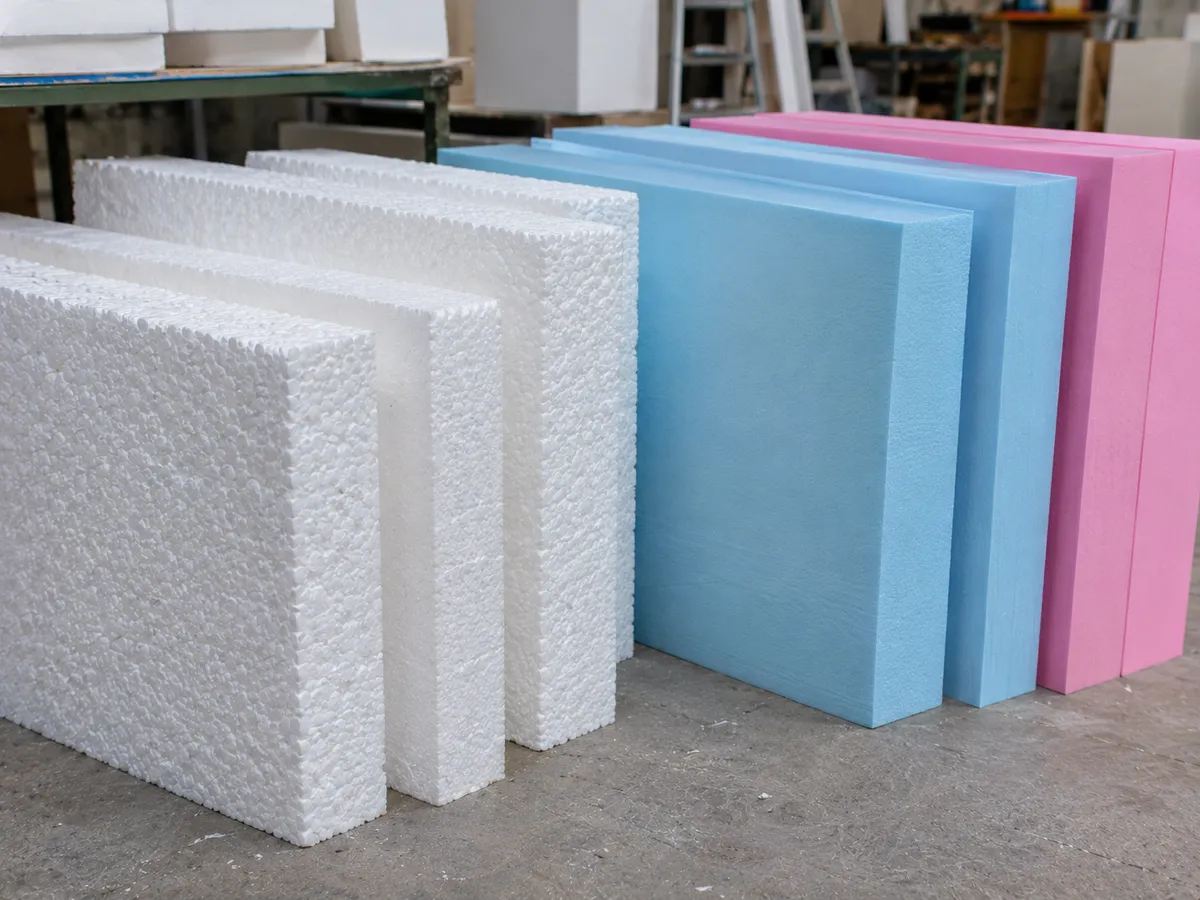
We work with two basic types of polystyrene. Expanded EPS is light, cheaper and suits bulky shapes. Extruded XPS, known by the trade name Styrodur, has a finer structure, a harder surface and sharper edges. We choose the material based on where and for how long the product will be used.
 Illustration
Different structure.
Different uses.
We choose the material according to what the part will be used for.
EPS and XPS compared| PROPERTY | EPS 01 | XPS 02 |
|---|---|---|
| Structure | Visible fused beads | Smooth, closed cells |
| Typical use | Bulky, lightweight shapes | Fine contours and technical parts |
| Cut surface | Coarser, good for painting | Fine, with a sharper edge |
| Grade selection | By load and environment | By load and environment |
Properties vary by manufacturer and grade. The technical data sheet of the specific board applies.
Purpose first, board second
A decoration for one evening, reception lettering meant to last several years and a technical part under load each need something different. That is why we ask about the environment, the load, the viewing distance and the finish. Only then do we suggest a specific type and grade of material.
Why the technical data sheet matters
Boards with different densities, strengths and fire behaviour are sold under the same name. For construction and technical orders we therefore work from the documentation of the specific product. If your project specifies a particular grade, please include it in your enquiry.
Answers to frequently asked questions
Is Styrodur the same as XPS?
Styrodur is a trade name that in practice is used for extruded polystyrene in general.
Which material is cheaper?
EPS. In our calculator it costs about 30% less than XPS.
Which material is better for fine details and thin strokes?
XPS, as a rule. It has a finer structure, a harder surface and sharper edges, so small shapes hold up better.
Where next.
 IllustrationAdvice
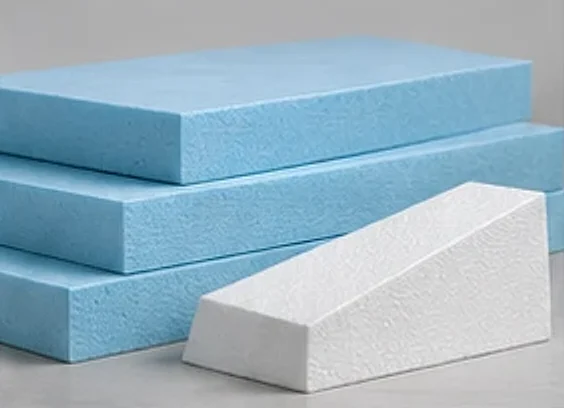
EPS or XPS: a detailed comparison ↗
Both materials compared by appearance, strength and price.
IllustrationAdviceWhat is EPS foam ↗
White bead foam polystyrene: properties and uses.
 IllustrationAdvice
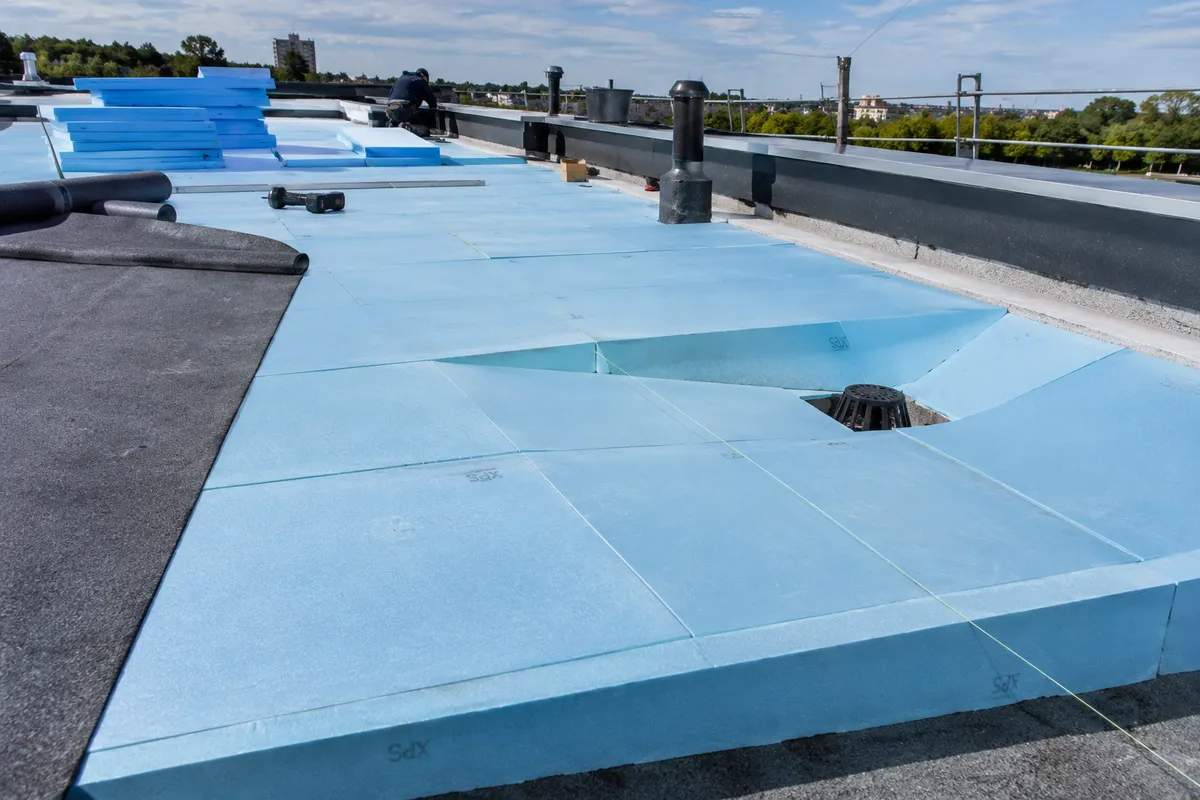
XPS foam and Styrodur ↗
Extruded polystyrene with a fine structure and a firmer surface.